








In a world increasingly focused on sustainability, hybrid cars stand out as a solution that combines fuel economy and performance. At SEAT, we design our electric and hybrid vehicles with innovation in mind, offering you an optimised driving experience tailored to your needs. Discover below how hybrid electric vehicles work and what hybrid models are available for you.
What is a Hybrid Car and How Does it Work?
A hybrid car combines a combustion engine with an electric motor. The battery powers the electric motor, reducing fuel consumption and emissions per mile. This system provides the autonomy and performance of a traditional internal combustion engine with the efficiency of electric power.
But how exactly do they work? Depending on the technology, a hybrid car can use only the electric motor, the combustion engine, or both, as needed. The battery recharges while driving, particularly with regenerative braking. Plug-in hybrids (PHEV) can also recharge the battery by connecting to an external power source, increasing the electric-only range, ideal for longer journeys.
Types of Hybrid Cars
At SEAT, we offer a range of hybrid and electric vehicles to suit different lifestyles and needs, utilising two advanced technologies:
Plug-in Hybrids (PHEV)
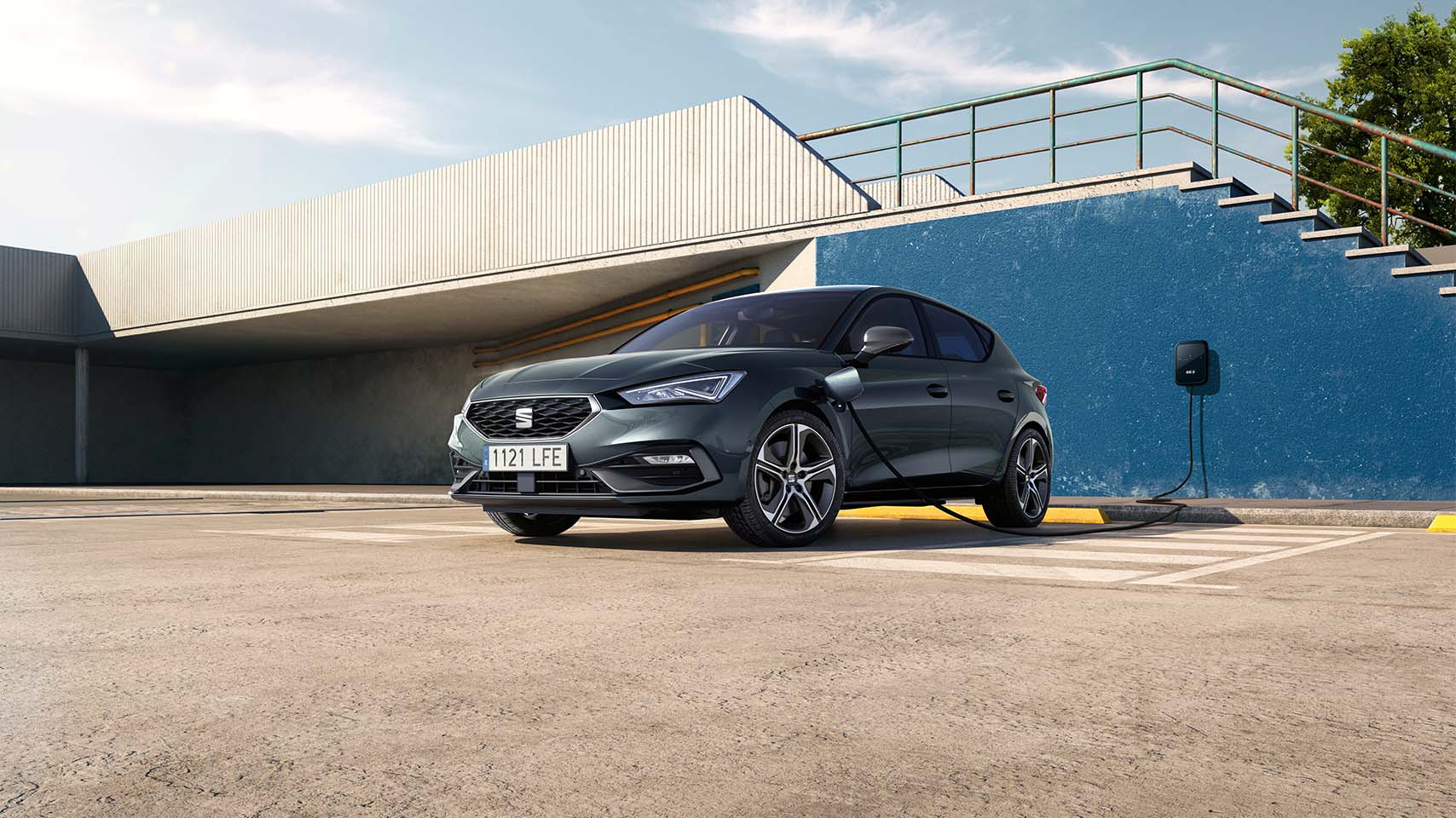
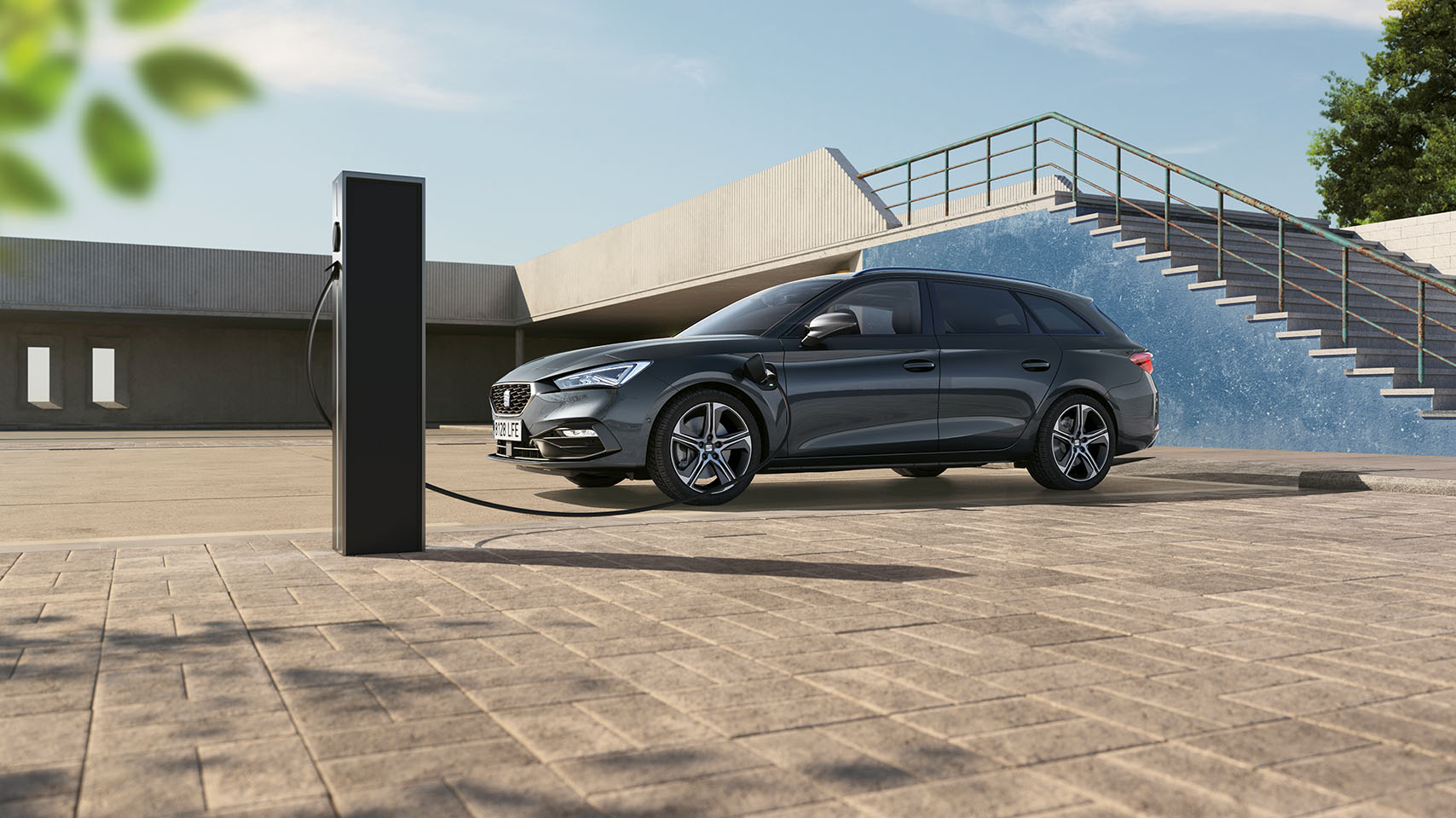
SEAT’s plug-in hybrids (PHEV) represent an advanced solution for those seeking a balance between efficiency and performance. These vehicles feature a larger battery and electric motor that recharge by connecting to an external power source. This allows PHEVs to operate in fully electric mode for longer journeys, ideal for urban or short trips. When the battery pack depletes, the car switches to the combustion engine, maintaining control and performance.
Self-charging Mild Hybrids eTSI (mHEV)
Self-charging hybrids or mHEVs have both an engine and a small battery which is self-charging using energy from the engine and regenerative braking to give electrical assistance to the engine only. Although they cannot run exclusively on electric power, these vehicles offer improvements in fuel consumption and emissions, making them a more efficient choice compared to solely a combustion engine, for those seeking cost-saving benefits over time.
SEAT Hybrid Cars
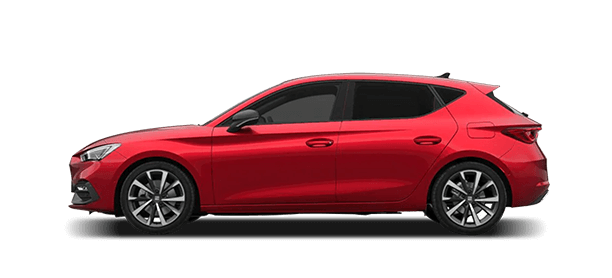
SEAT Leon e-HYBRID (PHEV)
This plug-in hybrid car is dynamic and contemporary, with an electric-only range of up to 83 miles and a combined total range of up to 565 miles, thanks to its 20 kWh battery pack.
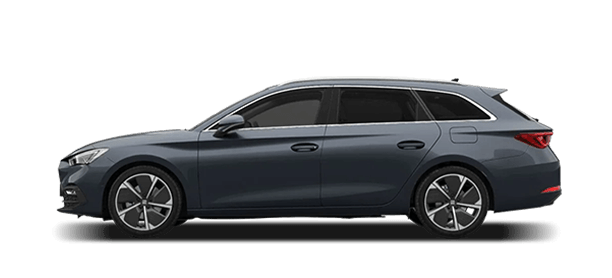
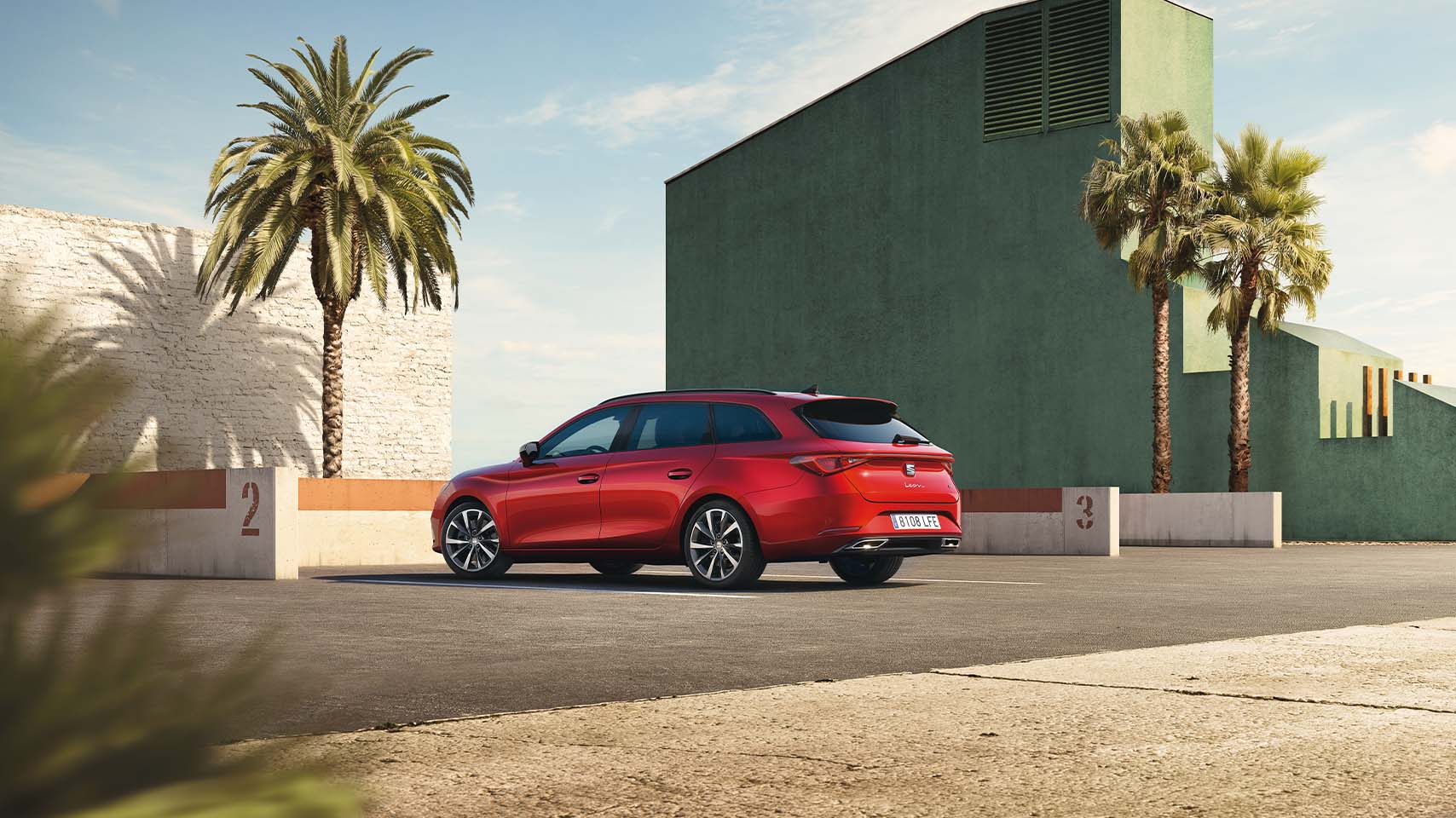
SEAT Leon Estate e-HYBRID (PHEV)
Designed for urban families, this plug-in hybrid offers an electric-only range of up to 81 miles and a total combined range of up to 559 miles.
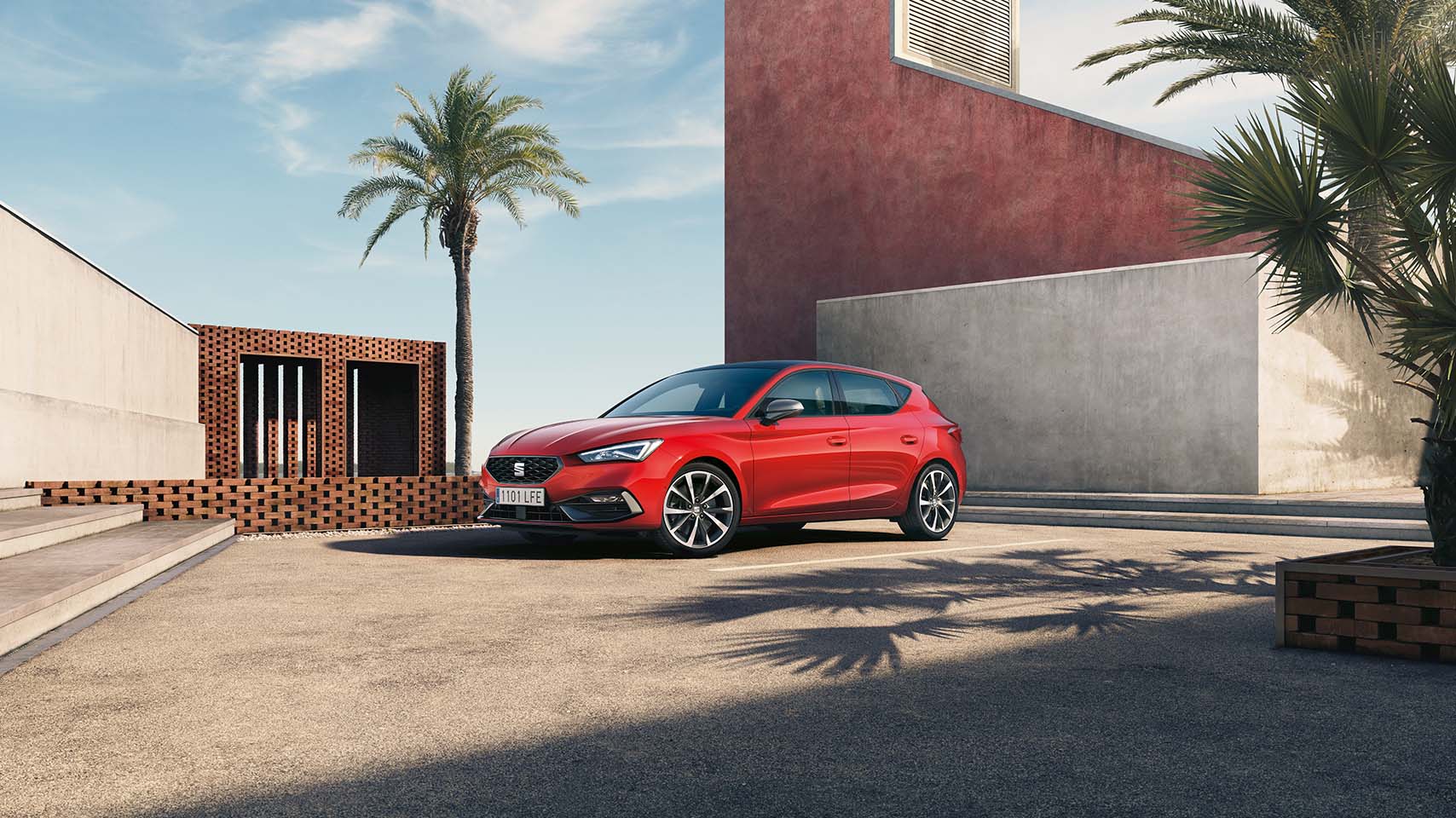
SEAT Leon Mild Hybrid (mHEV)
This self-charging hybrid model is perfect for urban exploration. These have both an engine and a small battery which is self-charging using energy from the engine and regenerative braking to give electrical assistance to the engine only.
SEAT Leon Estate Mild Hybrid (mHEV)
This self-charging hybrid model is ideal for families, offering cost-saving benefits.
Advantages of Hybrid Cars
Our SEAT hybrid cars offer several advantages compared to standard internal combustion engine cars:
- Fuel savings: The combination of the combustion engine and the electric motor reduces fuel consumption, achieving significant savings, especially in the city.
- Reduced emissions while driving: By optimising energy use, hybrid cars emit less CO2 and support cleaner mobility.
- Power and performance: The combination of the electric motor and the combustion engine provides superior acceleration and power.
Is a Hybrid Car Right for You?
It all depends on your needs and lifestyle. If you make frequent urban trips, a PHEV like the SEAT Leon e-HYBRID could be right for you, allowing you to maximise the use of electric power and reduce fuel consumption. If you want to improve efficiency compared to an internal combustion engine without changing your driving style, a self-charging hybrid could be a good choice.
Now is a great time to consider a SEAT hybrid car. Explore our options, configure your ideal model and enjoy cost-saving benefits and advanced mobility.